


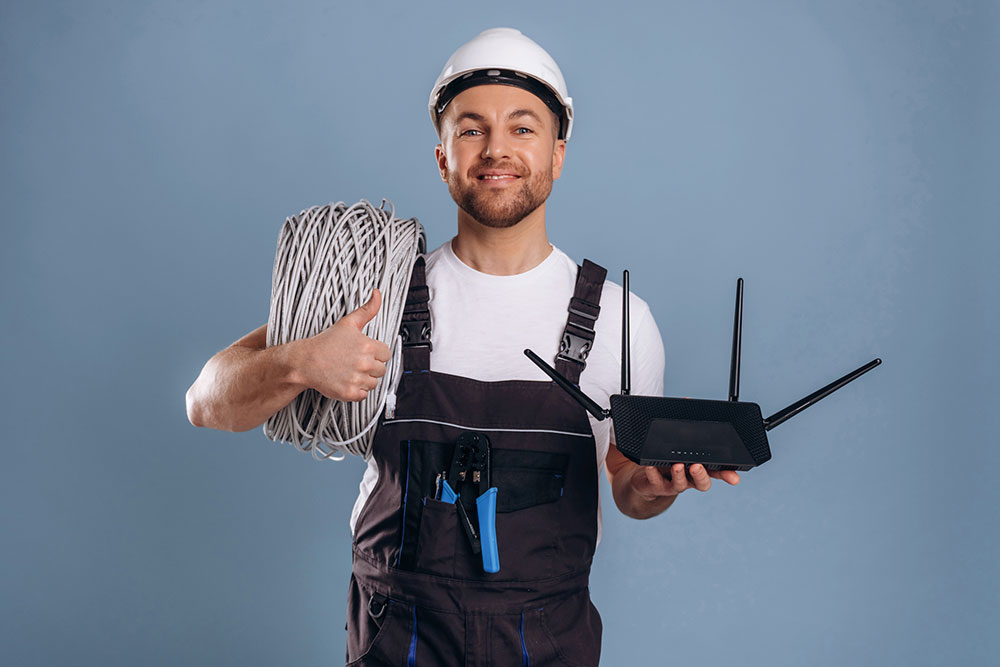
15 Jan Finding the Best WiFi Network Installers Near You: A Complete Guide to Boosting Your Internet Speed
In today’s fast-paced digital world, a reliable, fast WiFi connection is essential for maintaining productivity, entertainment, and seamless communication. However, if you’re struggling with sluggish internet speeds or frequent dropouts, it may be time to consider professional help.
Finding the best WiFi network installers near you can be a game-changer for your browsing experience, whether you’re streaming your favourite shows, working from home, or connecting smart devices. This complete guide will equip you with the knowledge to identify expert installers in your area who can tailor solutions to meet your specific needs. From assessing your current setup to understanding the latest technology, learn how to make informed decisions that will boost your internet speed and overall connectivity. Say goodbye to frustrating lag, and hello to the fast, reliable internet you’ve always wanbted. Dive in and discover how to transform your online experience today!
Understanding the Importance of a Reliable WiFi Network
In the modern era, the significance of a robust WiFi network cannot be overstated. Whether you’re working remotely, streaming high-definition content, playing online games, or simply browsing the web, a dependable internet connection is essential. The convenience and efficiency of a strong WiFi network enable seamless communication, enhance productivity, and provide a smoother overall digital experience. Without it, tasks that should take seconds can stretch into minutes, and frustrating delays and connectivity issues can disrupt our daily routines.
Moreover, a reliable WiFi network is crucial for smart home systems. From security cameras to smart thermostats, home automation relies heavily on a stable internet connection. An unreliable network can compromise the functionality of these devices, potentially leading to security vulnerabilities and inefficiencies. A well-installed and maintained WiFi network ensures that all connected devices operate smoothly, providing peace of mind and enhancing the quality of life.
Additionally, as remote work and online learning become increasingly common, a reliable WiFi network is more important than ever. It allows for uninterrupted video conferencing, quick access to cloud-based resources, and real-time collaboration with colleagues or classmates. This not only boosts productivity but also helps maintain professional and educational standards. Therefore, investing in a high-quality WiFi network is not just about convenience—it’s about ensuring your digital infrastructure supports your lifestyle and professional needs.
Key Factors to Consider When Choosing WiFi Network Installers
Choosing the right WiFi network installers is a critical step in ensuring that your internet connection meets your specific needs. One of the first factors to consider is the installer’s expertise and experience. Look for professionals with a proven track record in the industry and strong knowledge of the latest technologies. Experienced installers can provide valuable insights and recommendations tailored to your environment, whether it’s a home, office, or larger commercial space.
Another important factor is the range of services offered by the installer. Comprehensive services that include consultation, installation, and post-installation support can save you time and hassle. It’s essential to choose installers who offer a complete package, as this ensures that they will be available to troubleshoot any issues that may arise after the initial setup. Additionally, inquire about their knowledge of the latest WiFi standards and technologies, such as WiFi 6, which can significantly enhance performance and coverage.
Lastly, consider the installer’s reputation and customer service. A company with a strong reputation is more likely to deliver high-quality service and support. Take the time to read reviews and testimonials from previous clients to gauge their satisfaction levels. Good customer service is also crucial; you want to work with installers who are responsive, communicative, and willing to address any concerns you may have during and after the installation. By thoroughly researching and considering these factors, you can find an installer who will deliver a reliable, efficient WiFi network.
How to Assess Your Current Internet Speed and Coverage
Before seeking professional installation services, it’s essential to evaluate your current internet speed and coverage. This assessment can help identify specific issues and provide a clearer picture of what improvements are needed. Start by conducting a speed test using online tools such as Speedtest.net or Fast.com. These tools measure your current download and upload speeds, as well as your network latency, giving you a benchmark to compare against your internet service provider’s advertised speeds.
In addition to speed, you should assess the coverage of your WiFi network. Walk around your home or office with a mobile device and note areas where the signal is weak or nonexistent. Pay particular attention to rooms where you frequently use the internet. There are also apps, such as NetSpot or WiFi Analyser, that provide detailed maps of WiFi signal strength throughout your space. These tools can help identify dead zones and areas where additional access points or range extenders may be needed.
Understanding the devices connected to your network is also important. Multiple devices, especially those that stream video or play online games, can strain your network and reduce overall performance. Make a list of all connected devices and consider their bandwidth requirements. This information will be useful when discussing potential upgrades with a professional installer, as they can recommend solutions that accommodate your specific needs and usage patterns.
Types of WiFi Network Installations Available
When installing a WiFi network, there are several installation types to consider, each suited to different needs and environments. One common option is the traditional router-based setup, which uses a single router to broadcast a WiFi signal throughout the area. This setup is generally suitable for smaller homes or offices with minimal interference and obstacles. However, in larger spaces, a single router may not provide adequate coverage, leading to dead zones and weak signals.
For larger homes or offices, a mesh WiFi system can be an effective solution. Mesh networks consist of multiple nodes that work together to create a cohesive, blanket WiFi coverage throughout the entire area. Each node communicates with the others, ensuring a strong, consistent signal throughout the property. Mesh systems are particularly useful in environments with multiple floors or thick walls that can obstruct traditional WiFi signals. They are also scalable, allowing you to add more nodes as needed to expand coverage.
Another option is to use a WiFi extender or repeater, which amplifies the signal from your primary router. This method can be a cost-effective way to eliminate dead zones and improve coverage in specific areas. However, extenders can sometimes degrade overall network performance because they rely on rebroadcasting the original signal. Professional installers can help you determine the best setup for your needs, ensuring optimal performance and coverage throughout your space.
Questions to Ask Potential WiFi Network Installers
When selecting a WiFi network installer, it’s crucial to ask the right questions to ensure you’re making an informed decision. Begin by enquiring about their experience and qualifications. Ask how long they have been in the industry and whether they have any certifications or specialised training. Experienced installers are more likely to be familiar with a variety of network setups. They can provide tailored solutions for your specific needs.
Next, discuss the specifics of the services they offer. Ask about the types of installations they specialise in and whether they provide comprehensive support, including consultation, installation, and post-installation services. It’s also important to understand their approach to troubleshooting and support. Will they be available for ongoing maintenance and support if issues arise in the future? Knowing the extent of their services can help you choose an installer who will be a reliable partner in maintaining your network.
Finally, discuss the technology and equipment they recommend. Ask about their familiarity with the latest WiFi standards, such as WiFi 6, and whether they use high-quality, reputable brands for routers and other network components. Understanding their approach to network design and the technologies they utilise can give you confidence in their ability to deliver a high-performance, future-proof WiFi network. By asking these questions, you can ensure that you select an installer who is knowledgeable, reliable, and capable of meeting your specific needs.
Reading Reviews and Testimonials: The Importance of Reputation
In the digital age, a service provider’s reputation can be easily assessed through online reviews and testimonials. When looking for WiFi network installers, it’s essential to thoroughly research their reputation. Start by reading reviews on platforms like Google, Yelp, and the Better Business Bureau. Pay attention to the overall rating and the specific comments left by previous customers. Reviews can provide valuable insights into the quality of service, professionalism, and reliability of the installer.
In addition to general review sites, look for testimonials on the installer’s own website. Companies often showcase positive feedback from satisfied clients, which can give you an idea of their strengths and areas of expertise. However, keep in mind that these testimonials are curated and may not provide the full picture. It’s important to balance them with independent reviews from third-party sites to get a more comprehensive understanding of the installer’s reputation.
Word-of-mouth recommendations can also be incredibly valuable. Ask friends, family, or colleagues if they have any experience with local WiFi network installers. Personal recommendations can provide trustworthy insights and help you find reputable installers who may not have a strong online presence. By combining online research with personal recommendations, you can make a well-informed decision and choose an installer with a solid reputation for quality and reliability.
Comparing Costs: What to Expect from WiFi Installation Services
Understanding the costs associated with WiFi installation services is crucial for budgeting and ensuring you get value for your money. The cost of installation can vary widely depending on several factors, including the complexity of the network setup, the size of the area to be covered, and the quality of the equipment used. It’s important to get detailed quotes from multiple installers to compare prices and services offered.
When reviewing quotes, pay attention to what is included in the cost. Some installers may offer a flat rate for the entire project. In contrast, others might charge separately for consultation, installation, and post-installation support. Be sure to ask for a breakdown of costs to understand exactly what you’re paying for. Additionally, inquire about any potential additional charges, such as fees for extra equipment or unexpected complications during installation.
While it may be tempting to choose the least expensive option, it’s important to consider the overall value rather than just the price. A higher upfront cost may be justified by better equipment, more comprehensive services, and greater expertise. Investing in a quality installation can save you money in the long run by reducing the need for future upgrades and maintenance. By carefully comparing costs and considering the value offered, you can make a financially sound decision that meets your needs.
DIY vs. Professional Installation: Pros and Cons
When setting up a WiFi network, you can do it yourself (DIY) or hire professional installers. Each approach has its own set of advantages and disadvantages that should be considered. DIY installation can be cost-effective, as you save on labour costs and have the freedom to choose your own equipment. With numerous online guides and tutorials available, many people find it relatively straightforward to set up a basic home network on their own.
However, DIY installation also comes with potential downsides. Without professional expertise, you may encounter challenges in optimising network performance and coverage. Troubleshooting issues can be time-consuming and frustrating, especially if you lack technical knowledge. Additionally, a DIY setup may not be as robust or future-proof as a professionally installed network, potentially requiring more frequent upgrades and maintenance.
Professional installation, on the other hand, offers the benefit of expert knowledge and experience. Professional installers can design and implement a network that is tailored to your specific needs, ensuring optimal performance and coverage. They can also provide ongoing support and maintenance, addressing any issues that arise quickly and efficiently. While professional installation may come with a higher upfront cost, the long-term benefits of a reliable and high-performance network often outweigh the initial expense. By weighing the pros and cons of each approach, you can determine the best option for your situation.
Tips for Maintaining Your WiFi Network After Installation
Once your WiFi network is installed, ongoing maintenance is essential to keep it performing at its best. Regularly updating your router’s firmware is one of the most important maintenance tasks. Firmware updates often include security patches, performance improvements, and new features, so keeping your router up to date can enhance both security and functionality. Most modern routers support automatic updates, but it’s a good idea to check for updates manually as well.
Another key aspect of maintenance is monitoring and managing connected devices. Over time, you may add new devices to your network, which can strain your bandwidth and impact performance. Use your router’s management interface to monitor connected devices and prioritise bandwidth for critical applications, such as video conferencing or streaming. If you notice any unfamiliar devices, investigate them to ensure your network remains secure.
Regularly assessing your network’s performance and coverage can also help identify issues early. Use tools like speed tests and WiFi analyser apps to check for any changes in speed or signal strength. If you encounter any problems, such as new dead zones or slow speeds, address them promptly. This may involve repositioning your router, adding additional access points, or consulting with a professional installer for further assistance. By staying proactive with maintenance, you can ensure your WiFi network remains reliable and efficient over the long term.
Conclusion: Making an Informed Decision for Your WiFi Needs
In today’s digitally connected world, a fast, reliable WiFi network is essential for both personal and professional use. Finding the best WiFi network installers near you can make a significant difference in enhancing your internet speed and overall connectivity. By understanding the importance of a reliable network, considering key factors when choosing an installer, and assessing your current setup, you can make informed decisions that lead to a better online experience.
Knowing the types of WiFi network installations available, asking the right questions, and reading reviews can further help you select a reputable installer. Comparing costs and weighing the pros and cons of DIY versus professional installation can help you determine the best approach for your situation. Once your network is installed, ongoing maintenance is crucial to ensure continued performance and security.
Ultimately, investing time and effort in finding the right WiFi network installers and maintaining your network can lead to a seamless, efficient online experience. Whether you’re streaming your favourite shows, working from home, or connecting smart devices, a well-installed and maintained WiFi network can provide the speed and reliability you need. Say goodbye to frustrating lag, and hello to the fast, dependable internet you’ve always wanted. With the knowledge and resources from this guide, you’re well-equipped to transform your online experience today.
No Comments